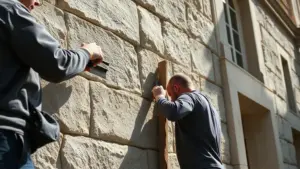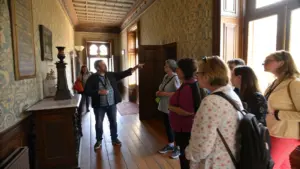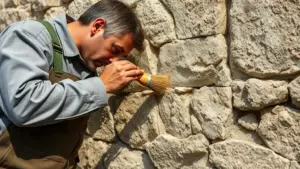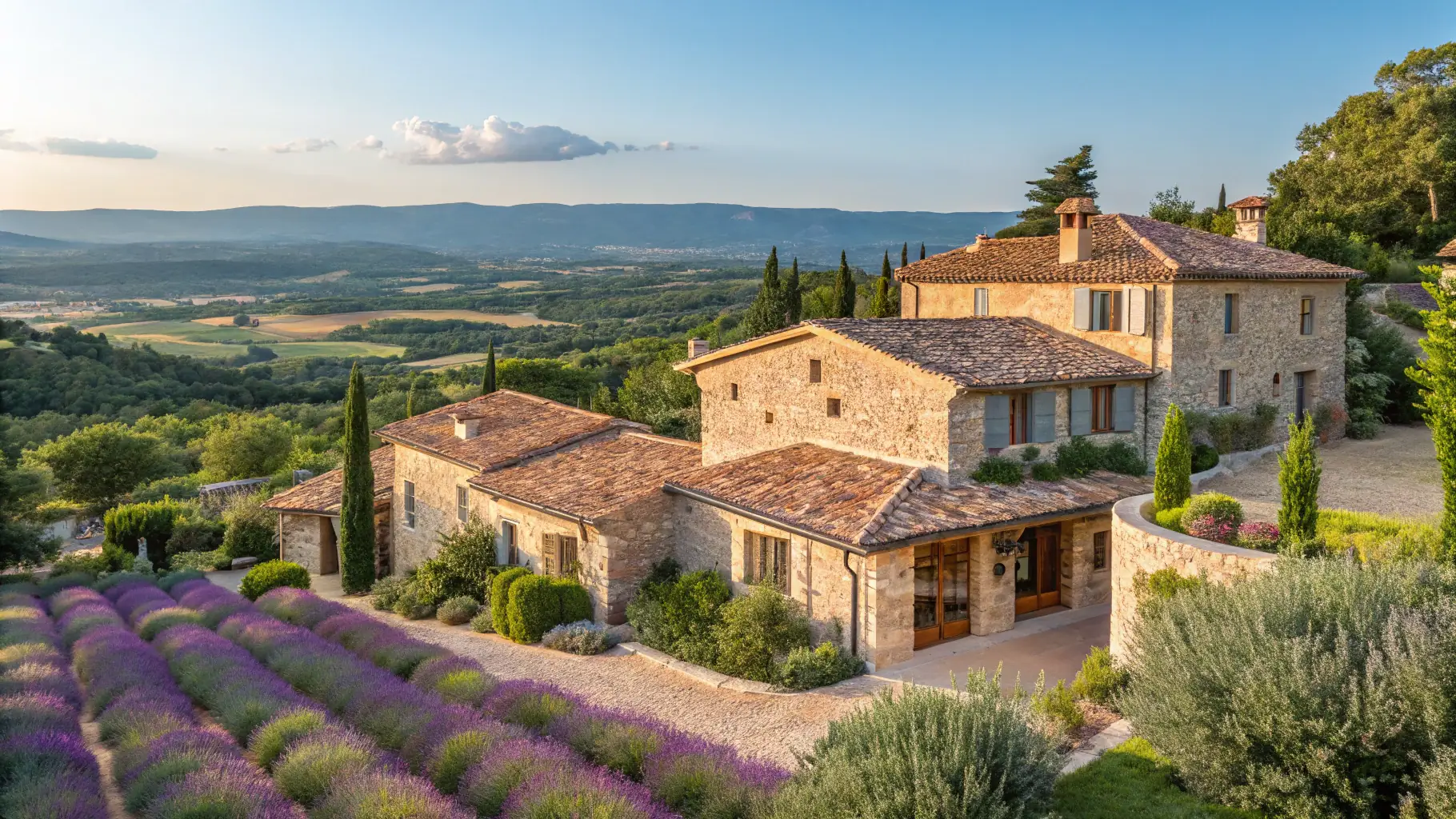
Provençal architecture, with its sun-drenched hues and rustic charm, is a testament to the region’s rich history and cultural identity. The use of local materials like stone and terracotta creates a harmonious blend with the natural landscape. These buildings often feature sloping tiled roofs, sturdy wooden shutters, and expansive courtyards, designed to provide respite from the Mediterranean sun. Preserving these architectural gems is crucial for maintaining the character and soul of Provence.
One of the defining characteristics of Provençal architecture is its adaptability to the climate. Thick stone walls provide insulation, keeping interiors cool in the summer and warm in the winter. The strategic placement of windows and doors allows for natural ventilation, reducing the need for artificial cooling. These sustainable design principles, born out of necessity, are now celebrated for their environmental consciousness. They offer valuable lessons for modern architects seeking to create eco-friendly and energy-efficient buildings.
Beyond their functional aspects, Provençal buildings are imbued with a sense of artistry and craftsmanship. Intricate ironwork, hand-painted tiles, and meticulously carved stone details add a touch of elegance and sophistication. These artistic flourishes reflect the region’s vibrant cultural heritage and the pride of its artisans. By preserving these architectural treasures, we honor the skills and traditions of past generations and ensure that their legacy continues to inspire future generations.